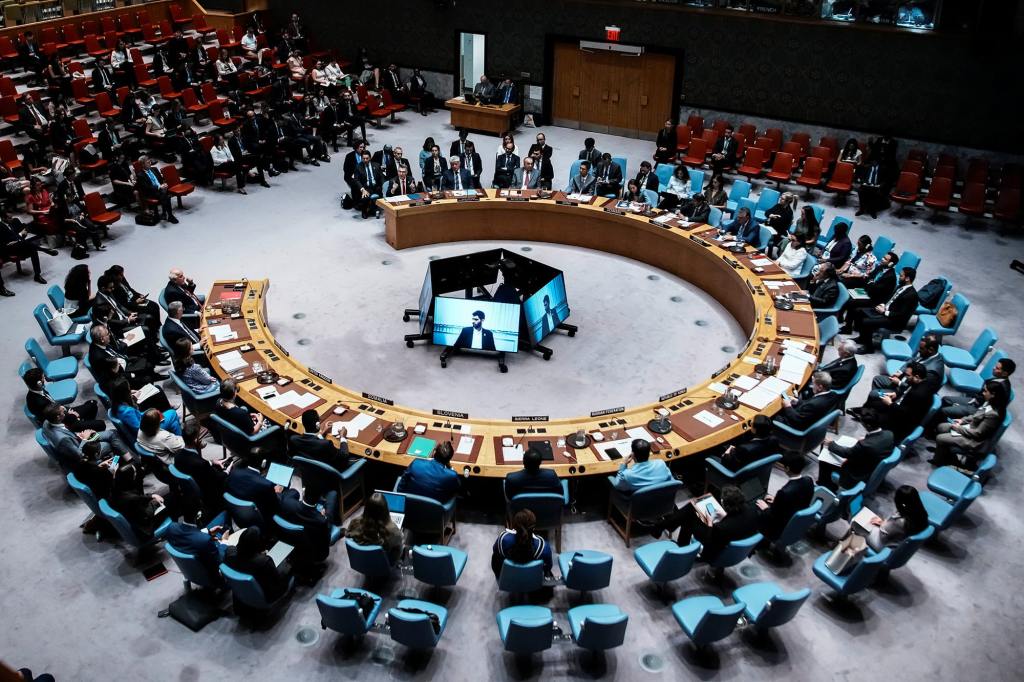
The United Nations Security Council must reflect the realities of the international community in the 21st century. Established in 1945, the United Nations Security Council’s five veto-wielding permanent members are the UK, China, France, Russia and the USA. The ten other council members are chosen for two-year terms by regional groups. The United Nations Security Council has remained largely unchanged despite tremendous shifts in global geopolitics and International Relations, including the emergence of new powers in the Global South.
Africa, which accounts for a significant part of the United Nations agenda, particularly in the areas of peacekeeping and conflict resolution, remains excluded from permanent representation. African countries have played a significant role in UN peacekeeping missions all around the globe. African military forces have been deployed to missions in conflict zones from Lebanon to East Temo.
The exclusion of Africa from permanent representation on the United Nations Security Council carries great implications from the effectiveness and legitimacy of the Council’s decisions, particularly those impacting the African continent. A salient example is the Council’s role in authorizing humanitarian intervention in Libya, which ultimately resulted in the overthrow of Muammar Gaddafi. Although the intervention or resolution was drafted as a “humanitarian” measure, it resulted in the collapse of the Libyan government, protracted regional instability and escalation of armed groups across the Sahel region.
Another example is the issue of peacekeeping missions around the world. Africa is the largest contributor of troops for United Nations peacekeeping missions. Countries such as Ghana, Ethiopia and Rwanda have consistently provided significant troops for operations in conflict zones. Yet, these nations have no input or say in the operational details of these missions. The deployment of troops to peacekeeping missions have been largely criticized for the lack of clear directives and operational details. In other words, decisions regarding funding, operation, rules of engagement, and troop withdrawal are decided by non-African countries that are clueless about the complexities on the ground.
A structural reform of the UN Security Council is long overdue. Its representation mechanism is outdated and reflects the arrangement of global power dynamics after the second world war. The UN Security Council is unquestionably the most powerful organ of the UN; its decisions are binding on member nations. The African continent is the only region without permanent representation, despite constituting 54 of the 193 members and about 18% of the World’s population.
The UN Security Council faces a credibility deficit due to its inability to effectively address some of the pressing geopolitical issues of our time. The Ezulwini consensus, which was adopted by the African Union in 2005 addresses the issue of Africa’s representation on the UN Security Council. The consensus reflects Africa’s long-standing call for a permanent representation and equitable distribution of power within the UN Security Council. The consensus calls for two permanent veto-wielding seats for the African continent. Unfortunately, this demand has been stalled and faces stiff resistance from the existing permanent members.
Economic and political interests of the existing permanent members also influences their reluctance to grant Africa permanent representation. For instance, although China has a large economic footprint across the African continent, maintaining the current status quo allows Beijing to exert influence on the continent without having to deal with an empowered African association or alliance within the UN Security Council. Comparably, Western powers such as the United States, France and the United Kingdom have strategic bases and partnerships across the African continent, making them reticent of any fundamental or structural changes that could negatively impact their strategic interests.
Africa’s stake for a permanent seat on the UN Security Council is legitimate and reason demands it. If 1.5 billion Africans don’t deserve a permanent seat on the United Nations Security Council, then the United Nations system is a mockery of democracy.
 Global Politics Today
Leave a Reply