-
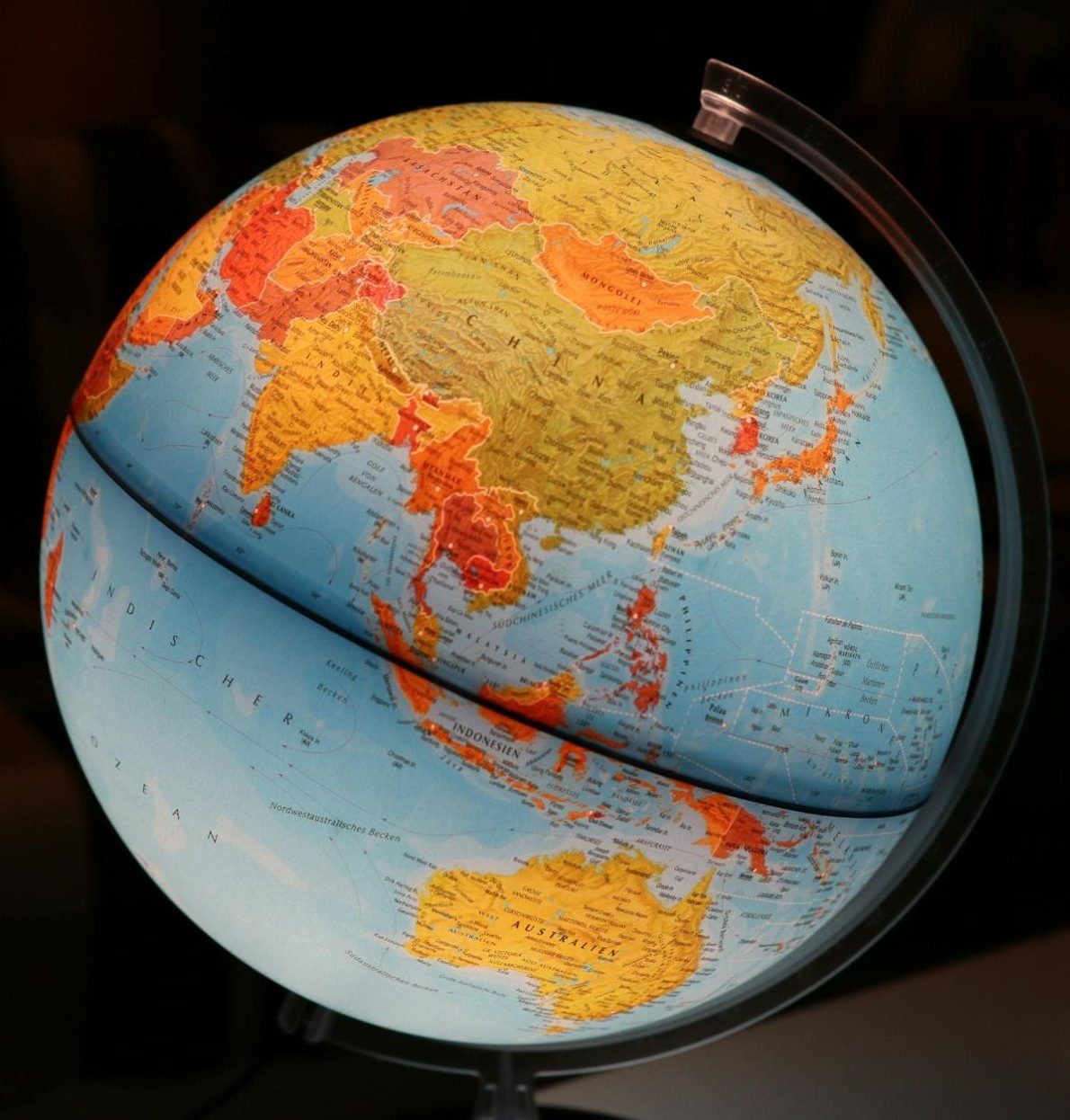
The Rise of BRICS and a New World Order
The BRIC alliance, formed in 2001 and evolving into BRICS+ with additional nations, represents a significant geopolitical force. Accounting for over 40% of the global population and GDP, BRICS+ seeks reform in global governance, challenging Western-led institutions. It emphasizes multipolarity, economic independence, and equitable representation in international decision-making.
-
The Democratic Dividend in Africa
Plato criticized democracy, viewing it as a flawed system prone to tyranny, where the masses lack governance skills. Recent global apathy, especially among youth, reflects disillusionment with democratic outcomes, particularly in Africa. Authoritarian regimes are gaining traction, promising quicker reforms. Enhancing local institutions is crucial for genuine democratic progress and citizen satisfaction.
-
The Rise of Radicalism in Iran and the Role of the US and UK
Understanding Iran’s current political landscape requires examining its past, particularly the pivotal 1953 coup that overthrew democratically elected Prime Minister Mohammad Mosaddegh, facilitated by the US and UK. This event shifted Iran from a promising modernization path towards autocracy under Reza Pahlavi, resulting in longstanding anti-Western sentiments and oppression.
-
Reforming the United Nations Security Council: Steps Towards Relevance
The United Nations Security Council’s structure, established in 1945, is outdated, lacking permanent representation for Africa, which contributes significantly to peacekeeping efforts. Despite the continent’s demographic weight and involvement in global peace missions, calls for reform and inclusion face resistance from existing powers. This undermines the Council’s legitimacy and effectiveness.
-
A New Scramble for Africa: China Leads the Way
Africa is experiencing a renewed scramble for its rich resources and economic opportunities, as global powers including China, the US, and the EU vie for access. With vital minerals like cobalt and lithium, and a significant share of arable land, Africa’s strategic importance is rising in global trade, raising questions about the continent’s future and…
-
South Africa and the United States: A Complicated Relationship
South Africa and the United States share a complicated history marked by diverse political dynamics. During Apartheid, US policy fluctuated between condemnation and tacit support due to geopolitical tensions. Despite some trading ties under agreements like AGOA, current relations are strained over issues like land reform and racial perceptions, highlighting ongoing discord and mutual interests.
-
Oil and War: An Unholy Alliance
Georges Clemenceau’s quote emphasizes the geopolitical value of oil, suggesting nations may sacrifice lives for it. Oil, essential for modern transportation and military strategy, has historically sparked conflicts like Iraq’s invasion of Kuwait and the 2003 Iraq war. Current Middle Eastern tensions highlight rising oil prices, indicating future global security concerns amid shifting oil production…
-
Africa and China: A Love Affair?
China’s relationship with Africa has evolved from support for independence in the 1950s to a strategic economic partnership driven by resource needs. Currently, China is Africa’s largest trading partner, with significant investment interest. While this relationship promotes economic growth, it poses environmental and social challenges, necessitating a balance between development and sustainability.
-
A Borderless Africa: The Pathway to the Future
The concept of a borderless Africa, championed by Kwame Nkrumah, aims to foster regional integration, economic growth, and social cohesion across the continent. Despite ongoing fragmentation and challenges from colonial-era boundaries, a united Africa could create a single market, enhance trade, and address issues like youth unemployment, ultimately leading to prosperity and peace.
-
Africa’s growing population: An Asset or a Liability
Africa’s population is growing at a staggering rate. Currently, one in six people in the world live on the African continent. According to the United Nations, by the year 2050, Africa’s population is projected to balloon to 2.5 billion people. In other words, one in four people globally will live on the continent. While regions…

-
Subscribe
Subscribed
Have a WordPress.com account? Log in now.

